
Legal Shockwaves Spread as Appeals Court Move Intensifies Pressure on Trump Administration ⚡
A wave of legal and political uncertainty is building around Donald Trump after a series of courtroom developments signaled growing judicial scrutiny—raising fresh questions about executive authority, infrastructure planning, and the limits of presidential power.
Despite viral headlines suggesting immediate resignation scenarios, the real story unfolding in Washington is more complex—and potentially more consequential.
Ballroom Project Faces Sudden Legal Roadblock
One of the flashpoints involves a controversial proposal to build a new ballroom at the White House. The project recently secured preliminary approval from the National Capital Planning Commission, a step that initially appeared to clear the way for construction.
But that momentum stalled abruptly.
A federal judge issued an order halting construction until explicit authorization is granted by United States Congress. The ruling created immediate uncertainty, effectively freezing progress until lawmakers weigh in on the legality and funding structure of the project.
Critics argue the ballroom’s scale and private funding raise ethical concerns. Supporters insist the project modernizes federal facilities and relies on lawful planning procedures.
For now, the fate of the project hangs in legal limbo.
Appeals Court Delivers Rare Unanimous Decision
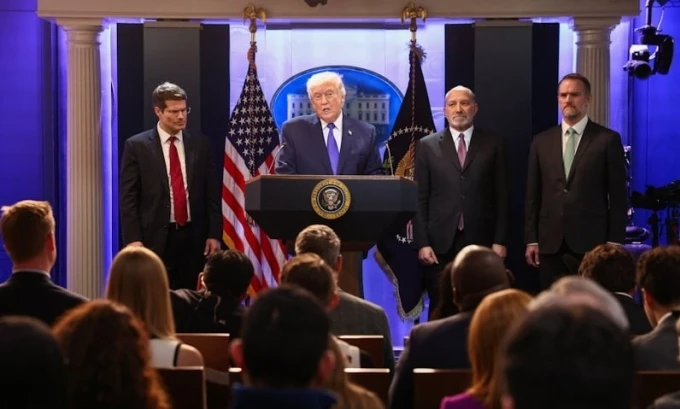
While the construction dispute drew public attention, the more consequential development occurred inside the federal court system. A full appeals panel—known as an “en banc” court—issued a unanimous decision to vacate a previous ruling that had favored Trump.
Legal experts say such decisions are rare and reserved for cases involving significant constitutional or procedural concerns.
Three elements make this ruling especially notable:
First, en banc reviews themselves occur infrequently. Courts typically rely on smaller panels unless a case carries exceptional weight or reveals major legal conflict.
Second, the court did not merely agree to reconsider the earlier ruling—it immediately nullified it. That action signaled concern that allowing the prior decision to stand, even temporarily, could create legal complications.
Third, the vote was unanimous.
No dissenting opinions were filed, eliminating alternative interpretations and underscoring broad judicial agreement.
Such unanimity across judges appointed by different administrations sends a powerful signal about institutional concern.
Language From Judges Raises Alarm
Adding to the pressure, judges in several related cases—some appointed by Republican presidents—have issued strongly worded rulings questioning the legality of certain administrative actions.
In court filings, some rulings referenced misleading claims or procedural irregularities. Others described potential risks to democratic norms or the rule of law.
This cross-ideological criticism weakens arguments that the legal challenges are purely political in nature.
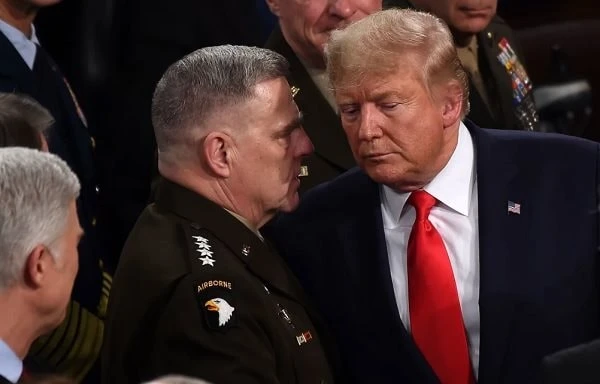
Instead, analysts say the rulings reflect institutional resistance rather than partisan disagreement.
And when courts speak in unusually direct language, policymakers often take notice.
The Limits of Judicial Power
Despite escalating rhetoric in political commentary, courts themselves cannot force a president to resign. Judicial authority focuses on legality—not political survival.
Removal from office follows constitutional processes, not judicial commands.
Two primary mechanisms exist:
- Impeachment through the House and conviction in the Senate
- Invocation of the Twenty-fifth Amendment to the United States Constitution by executive officials
Both pathways require extraordinary political consensus.
Neither can be triggered solely by court decisions.
That distinction explains why legal setbacks, even major ones, rarely produce immediate political consequences.
Institutional Pressure Builds From Multiple Directions
While resignation remains speculative, analysts emphasize that multiple pressures are converging simultaneously.
Courts are issuing increasingly assertive rulings.
Congress continues oversight investigations.
Public discourse remains highly polarized.
Each institution operates independently—but together, their actions can create cumulative pressure that reshapes political strategy.
In modern governance, momentum often builds gradually rather than explosively.
Legal setbacks accumulate. Public narratives shift. Alliances evolve.
And over time, those changes influence decisions behind closed doors.
A Political Climate Defined by Uncertainty
For now, Washington remains in a holding pattern defined by legal appeals, legislative debate, and public scrutiny.
Supporters of the administration argue that aggressive legal challenges represent institutional overreach. Critics counter that judicial action demonstrates the strength of constitutional checks and balances.
Both sides recognize the stakes.
The outcome of these disputes could shape not only current policy decisions but future interpretations of executive authority.
A Moment That Could Echo for Years
While headlines speak of urgency, history suggests that defining constitutional conflicts rarely resolve quickly. Instead, they unfold through layered decisions—each one building toward a broader legal precedent.
Whether the ballroom project resumes or remains frozen…
Whether appeals restore previous rulings or uphold new ones…
Whether political pressure intensifies or stabilizes…
All of these outcomes remain uncertain.
But one reality is already emerging:
This moment is less about immediate resignation and more about institutional endurance—a test of how courts, lawmakers, and executive leadership respond when legal authority collides with political ambition.
🚨 ALBANESE FURIOUS — Andrew Bolt Drops HEATED Live Bombshell! 📉⚡ – aaaa
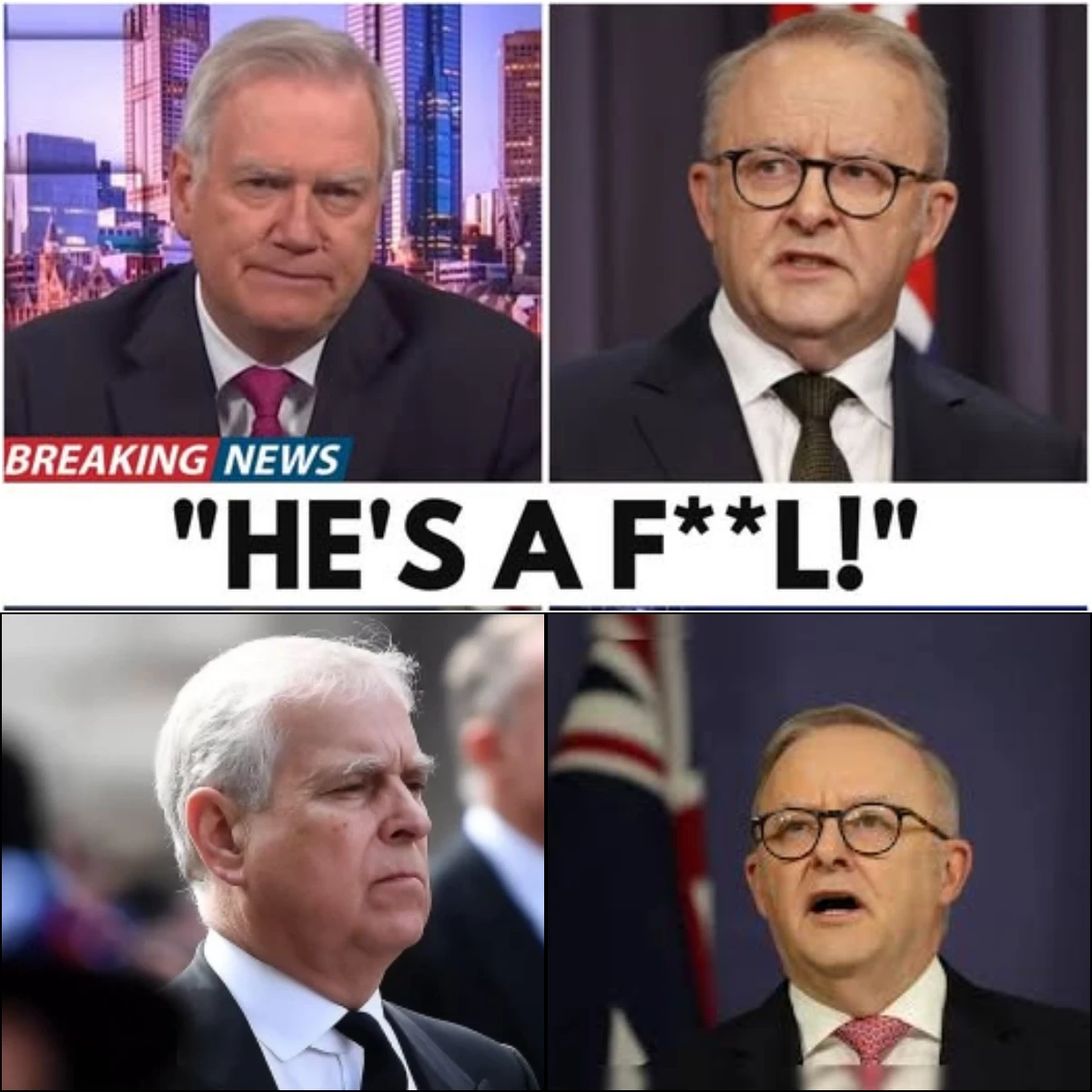
Imagine you are hosting a grand housewarming party; the music is vibrant, and the house is full of guests. Suddenly, you notice cracks appearing in the foundation. What would you do? Cover them temporarily with a rug, or stop everything to find out what is truly happening? Australian Prime Minister Anthony Albanese is currently facing that exact scenario—but the “house” here is an entire nation, and the cost of failure is far higher than damaged furniture.
Australia stands at a historic crossroads as its core values—social cohesion and multiculturalism—face severe threats. A series of shocking events, from extremist violence to startling revelations on live television, has pushed the Labor Government into a deep crisis of public confidence.
1. The Bondi Beach Tragedy: The Catalyst for Outrage
The tide began to turn on December 15, 2025, following a horrific terrorist attack at the famous Bondi Beach. Fifteen lives were lost during a Hanukkah celebration, turning a day of joy into a national nightmare.
- The Government’s Shift in Stance: Initially, the Albanese Government only proposed independent reviews of law enforcement and anti-hate speech laws. However, immense pressure from community leaders, legal experts, and victims’ families forced the Prime Minister to take a more decisive step.
- The Royal Commission: On January 8, 2026, Albanese announced the establishment of the Royal Commission into Anti-Semitism and Social Cohesion, led by former High Court Justice Virginia Bell. This body holds the highest power to investigate not just the Bondi incident, but the deeper fissures in Australia’s social fabric.
2. Andrew Bolt and the Leaked “Secrets”: A Shock on Live TV
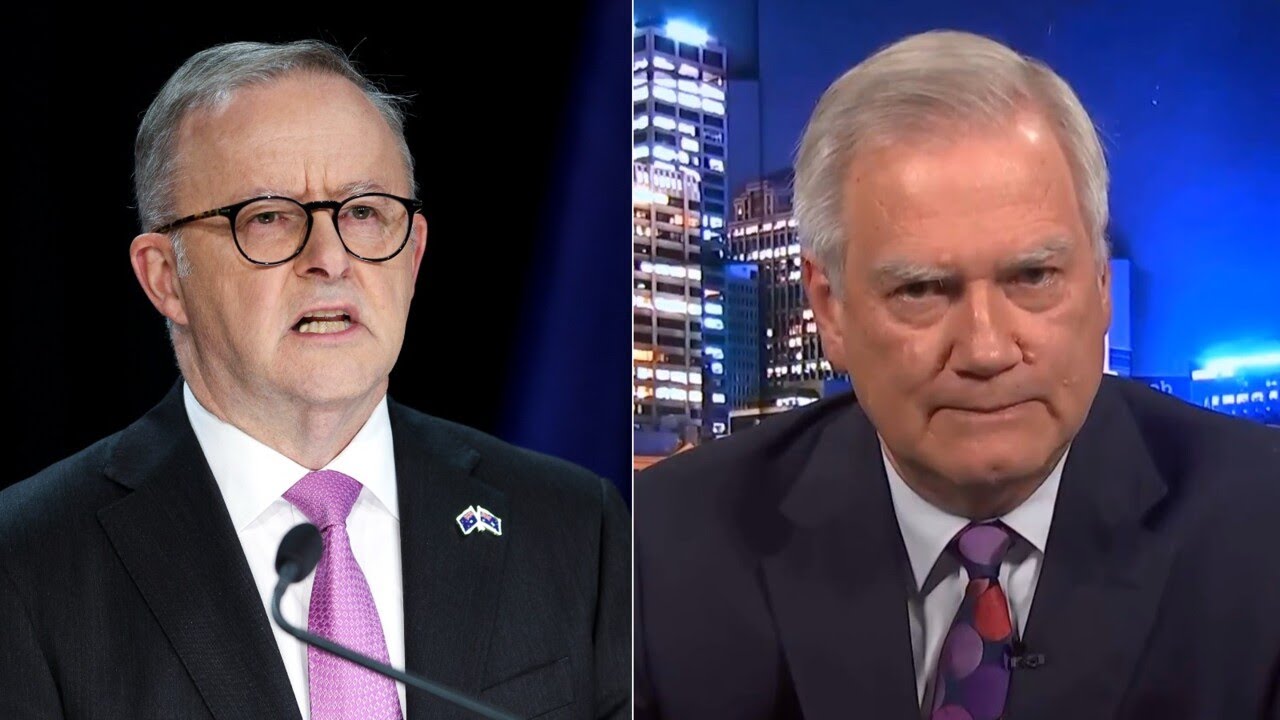
Amidst this tense atmosphere, political commentator Andrew Bolt caused a “political earthquake” by disclosing classified information regarding the government’s response on live television.
- The Prime Minister’s Fury: Anthony Albanese was reported to be “furious” over this leak. Secrets regarding security response delays and internal disputes over how to handle ideological threats were exposed to the public.
- Questions of Transparency: The Andrew Bolt incident is not merely a media scandal; it raises significant questions about whether the government is concealing the true severity of threats. Why did it take nearly a month after the Bondi tragedy for the Royal Commission to be established?.
3. “Cracks” in the Multicultural Home

Australia has long prided itself as one of the world’s most successful multicultural nations. But 2026 is proving that this consensus is more fragile than previously thought.
- The Rise of the Right: Opinion polls show support for the One Nation party surging to 12%, surpassing The Greens in some regions. Successive anti-immigration protests in August and October 2025 highlighted deep divisions over national identity.
- Economic Pressure – “Fuel to the Fire”: A severe housing shortage, with a vacancy rate of just 1.3% and sky-high property prices, has fueled resentment among the youth. When citizens feel economically squeezed, social tensions tend to erupt more fiercely, and immigrants often become the targets of blame.
4. Albanese’s Strategy: Balancing on a Tightrope

Prime Minister Albanese is attempting to build an Australia where “people leave their hatred and prejudice at the customs door”. His strategy includes:
- Tougher Legislation: Strengthening powers to cancel visas for those promoting hate and enacting new anti-hate speech laws.
- Elevating Multiculturalism: For the first time, the role of Minister for Multicultural Affairs has been elevated to the Cabinet.
- National Security: With 69% of Australians viewing China as a potential military threat, the government must simultaneously deal with external threats and internal instability.
5. What Future for Australia in 2026?
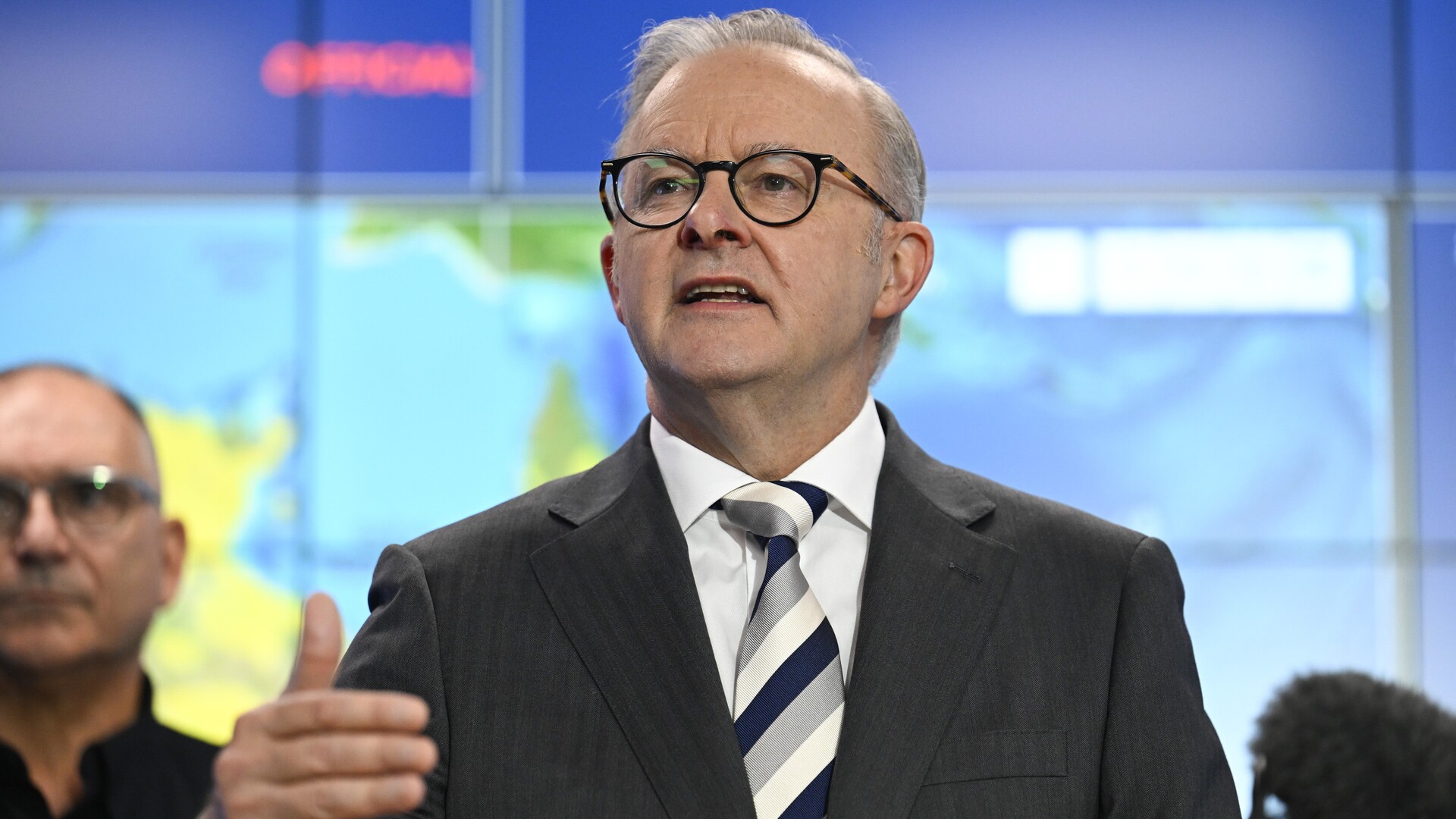
The Royal Commission is expected to deliver an interim report in April 2026, with the final report due in December of the same year. This period will be the ultimate test for the Labor Government.
- Elections and Eroding Support: Despite a landslide victory in May 2025, recent polls show support for the government is declining due to policy controversies and the fallout from information leaks.
- A Lesson in Democracy: The current disagreements—though chaotic and at times discouraging—are actually signs of a functioning democracy, where questions about free speech and community security are debated openly.
Conclusion: Australia is at a complex moment in its history. Questions regarding how to maintain unity in diversity, and where the line sits between protecting the community and restricting freedom, remain unanswered. The outcome of the Royal Commission and how Albanese handles the television leaks will determine whether the nation can “repair” its cracking foundation or witness a structural collapse of its society in the years to come.