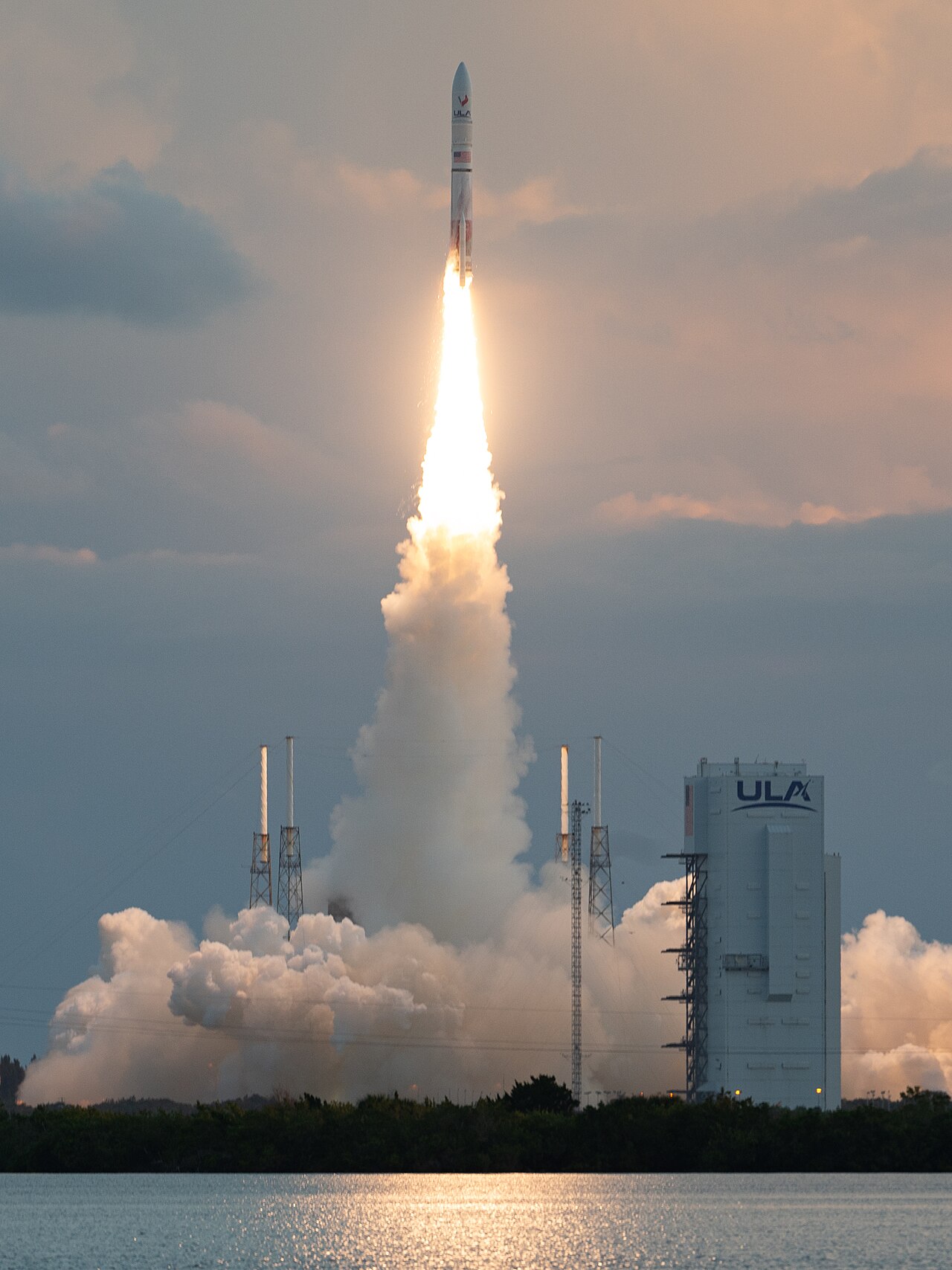
Florida’s Space Coast is buzzing as United Launch Alliance (ULA) prepares its Vulcan Centaur rocket for a mission that could change the internet forever. From the historic pads of Cape Canaveral Space Force Station, the Vulcan rocket is set to carry the next phase of Amazon’s Project Kuiper into orbit, signaling a major shift in the commercial space race. This isn’t just another launch; it is the debut of a system designed to challenge the orbital dominance of SpaceX.
The Dawn of a New Heavy-Lifter: Why Vulcan Matters
The Vulcan Centaur is more than just a replacement for the Atlas V; it is ULA’s answer to the modern demand for high-capacity, cost-effective space access. Powered by Blue Origin’s BE-4 engines, the rocket represents a transition toward American-made propulsion and a more flexible launch manifest. For years, ULA has been the reliable workhorse for national security missions, but Vulcan is their play for the burgeoning commercial sector.
“This mission is a critical milestone for our team and our customers. Vulcan is designed to meet the rigorous demands of both commercial and government missions, providing unmatched reliability and performance.”
The technical specifications of this launch highlight the sheer scale of the operation:
- Payload: Multiple Project Kuiper satellites designed for low-Earth orbit.
- Launch Vehicle: Vulcan Centaur in its heavy-lift configuration.
- Objective: To establish a robust orbital network capable of delivering high-speed broadband to underserved regions.
Amazon’s Project Kuiper: The Race to Connect the Planet
Amazon’s ambitions in space are no longer theoretical. Project Kuiper is the retail giant’s massive undertaking to deploy a constellation of 3,236 satellites. The goal is to provide fast, affordable broadband to communities around the world that currently lack reliable internet access. By partnering with ULA, Amazon is diversifying its launch strategy, ensuring that it is not solely dependent on any single provider—even as it eventually looks to its own Blue Origin New Glenn rocket.
As the countdown proceeds at Cape Canaveral, the stakes for Amazon are incredibly high. The company must meet strict FCC deadlines to have half of its constellation in orbit by mid-2026. Every successful Vulcan launch brings them closer to becoming a viable alternative to Starlink, potentially lowering costs for consumers and driving innovation in satellite technology.
💡 Frequently Asked Questions
❓ What is the primary goal of the Vulcan mission for Amazon?
The mission aims to deploy satellites for Amazon's Project Kuiper, a planned constellation of over 3,000 satellites designed to provide high-speed global broadband internet.
❓ Where is the Vulcan rocket launching from?
The launch is taking place at the Cape Canaveral Space Force Station in Florida, a primary hub for American space missions.
❓ How does Project Kuiper compare to SpaceX's Starlink?
Both aim to provide global satellite internet, but Starlink is currently operational with thousands of satellites, while Project Kuiper is in its early deployment and testing phase.