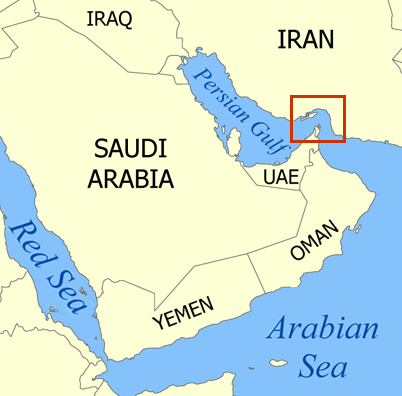
Global energy markets have been plunged into a state of severe anxiety following breaking reports that three oil tankers have struck naval mines in the strategically vital Strait of Hormuz. Iranian state media and regional authorities brought the incident to light, triggering immediate concern among international shipping operators, defense analysts, and economic policymakers who rely on the corridor for a massive percentage of the world’s daily petroleum supply.
Anatomy of a Maritime Choke Point Crisis
The Strait of Hormuz represents one of the most critical geopolitical flashpoints on Earth. Situated between Oman and Iran, it connects the Persian Gulf with the Gulf of Oman and the Arabian Sea. Any hostile activity, kinetic interference, or navigation hazard in this narrow corridor immediately translates to surging crude prices and heightened military posture from regional and international naval forces.
“The safety and security of navigation through the Strait of Hormuz is vital for global energy stability, and any threat to commercial vessels requires immediate international attention.”
Key developments and emerging operational concerns include:
- Reports from Iranian authorities confirming that three distinct oil tankers sustained damage from underwater mines.
- Immediate mobilization of regional maritime emergency response teams to assess hull integrity and prevent potential ecological disasters or major oil spills.
- Sudden fluctuations in international benchmark crude oil futures as traders price in heightened supply chain risks.
- Intensified intelligence-gathering operations by international naval coalitions operating in the broader Middle East theater.
Geopolitical Fallout and Market Implications
As maritime authorities work urgently to verify the operational status of the affected vessels and determine responsibility for the placement of the explosive devices, the broader economic ramifications are already compounding. Energy analysts warn that prolonged uncertainty or restricted transit through the strait could force rerouting, inflate shipping insurance premiums, and ultimately drive up fuel costs for consumers worldwide.
Governments and defense ministries are currently reviewing intelligence feeds to establish accountability while urging maximum restraint to prevent a catastrophic escalation in a region already navigating immense geopolitical tension.
💡 Frequently Asked Questions
❓ What actually happened in the Strait of Hormuz?
According to reports originating from Iran, three oil tankers sustained damage after striking naval mines located within the critical shipping channel.
❓ Why is the Strait of Hormuz so critical to the global economy?
The Strait of Hormuz is a vital maritime choke point through which a massive portion of the world's petroleum passes daily, making any security disruption an immediate threat to global energy supplies.
❓ How are international markets responding to the incident?
Crude oil futures and shipping insurance rates have experienced immediate upward pressure and volatility as traders and logistics firms price in heightened security risks.