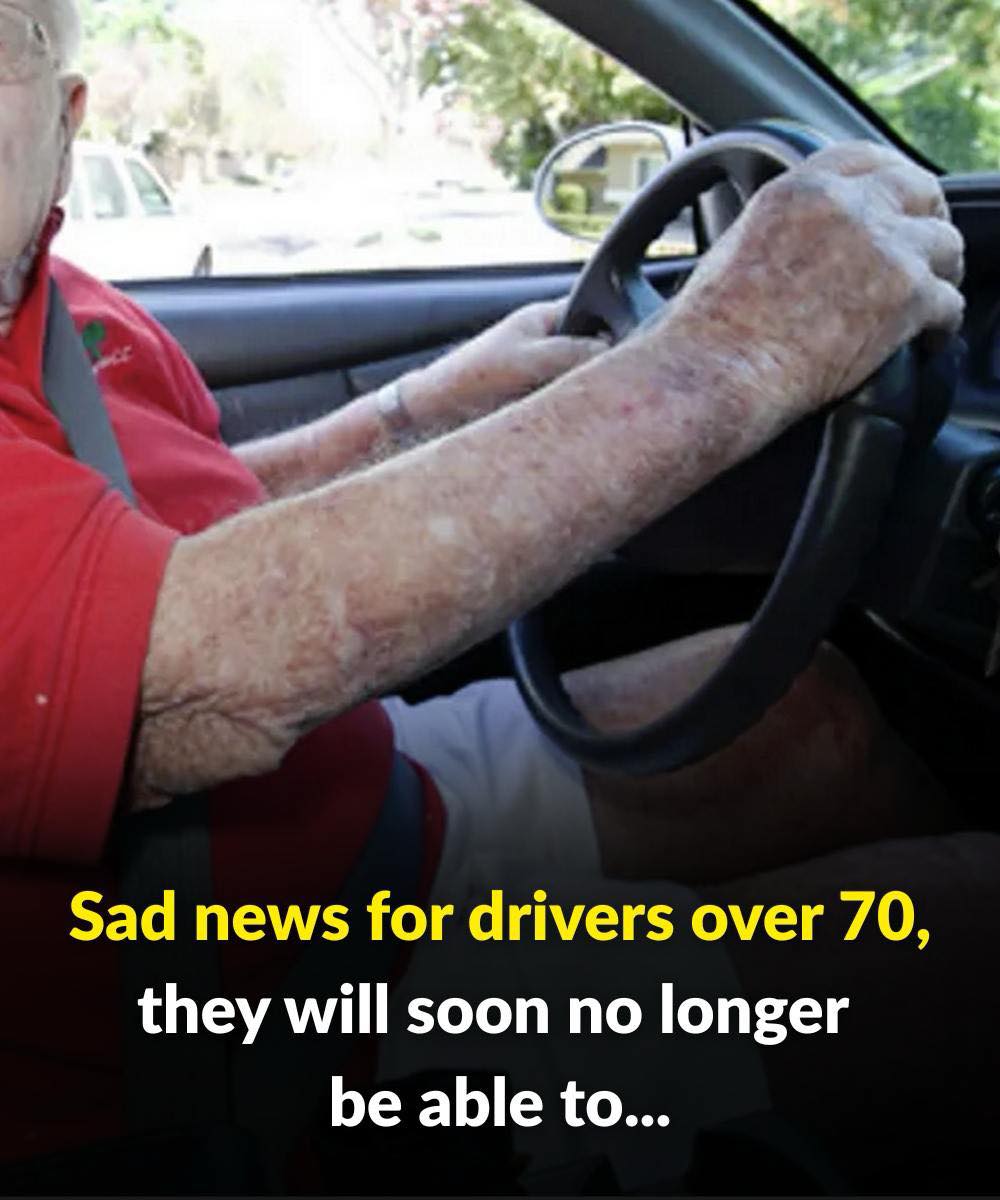
A single mistake. A wrong turn. An ordinary day that suddenly becomes a nightmare.
As populations age and more seniors remain behind the wheel longer than ever before, societies around the world are being forced to confront a painful question: who decides when it’s no longer safe to drive? And when that moment comes, what happens to dignity, identity, and freedom?
For many older adults, a car is far more than a machine. It represents independence, adulthood, and continued relevance in a world that often feels increasingly fast and unforgiving. The ability to drive means choosing when to leave the house, visiting friends without asking for help, and maintaining a sense of control over daily life. Losing a driver’s license can feel like losing a part of oneself.
Yet tragedies such as the recent crash in La Rochelle expose a harsh reality. Aging does not announce itself loudly. It creeps in quietly, eroding the very skills required for safe driving—peripheral vision, reaction time, spatial awareness, and split-second judgment. Often, this decline happens long before some drivers recognize it or are willing to admit it.
The challenge lies in balancing compassion with responsibility. Blanket bans based on age alone are neither fair nor effective. They risk stigmatizing capable seniors while ignoring the real issue: ability, not age, determines safety.
A more humane solution lies in regular, ability-based assessments that evaluate vision, reflexes, and cognitive response. Such measures can identify risk early without branding all older drivers as dangerous. Equally important is the role of families, who often notice warning signs first but struggle with guilt, fear, or conflict when raising concerns. Speaking up before disaster strikes is not an act of betrayal—it is an act of care.
Governments, too, must shoulder their share of responsibility. Taking away the keys without offering alternatives traps seniors in isolation. Reliable public transportation, community shuttle programs, subsidized taxi services, and walkable infrastructure are not luxuries; they are necessities in an aging society.
Ultimately, the true test of a fair and civilized system is not whether it protects one group at the expense of another, but whether it can safeguard children on the street without treating their grandparents as expendable. Safety and dignity do not have to be opposing values—if we are willing to confront the issue honestly, before another ordinary day turns tragic.