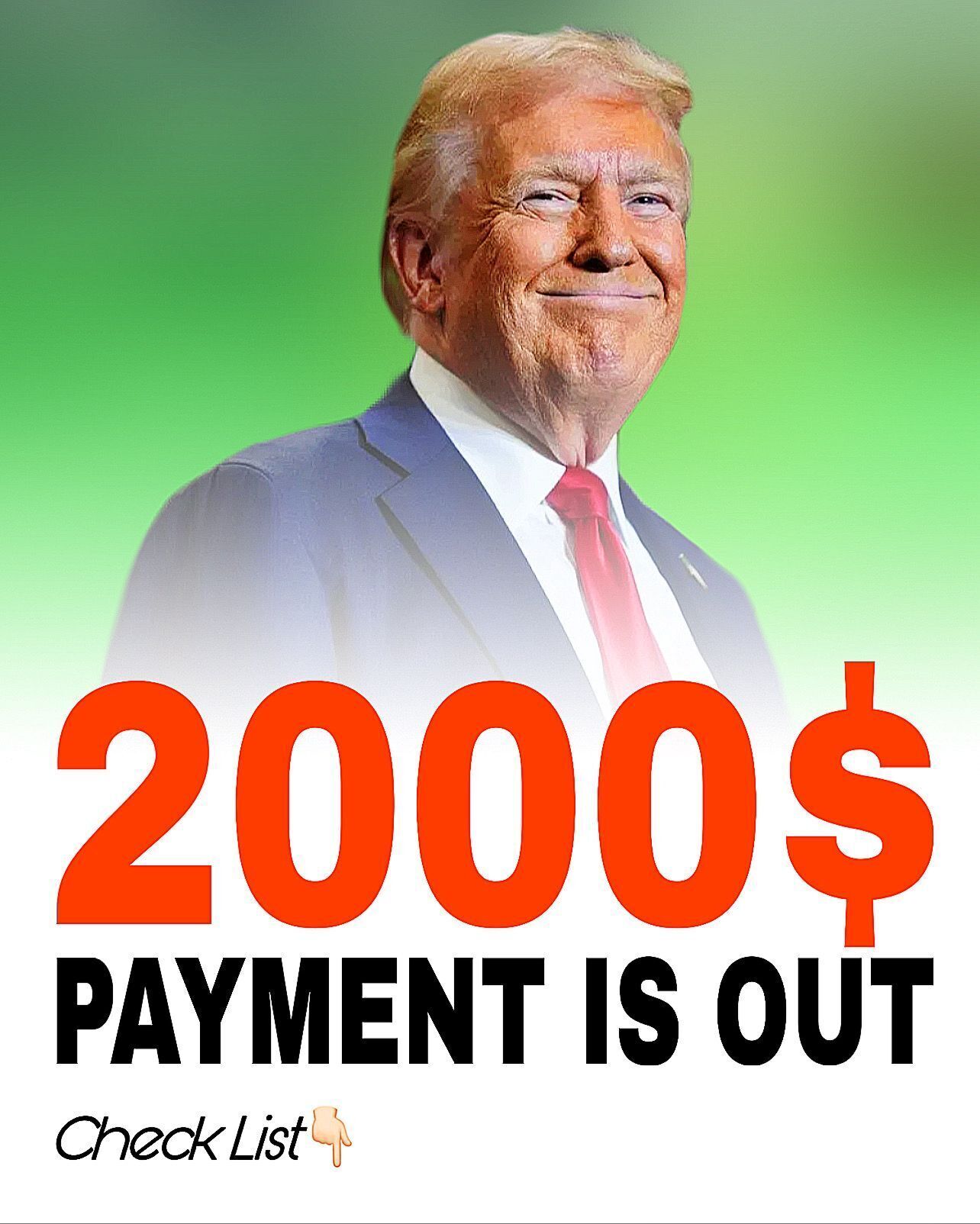
A bold claim from Donald Trump has reignited national attention after he suggested there is an exact date tied to potential $2,000 direct payments for Americans. The statement spread rapidly, fueled by the promise of fast financial relief at a time when many households are struggling to keep up with rising costs.
What made the announcement especially powerful was its timing. With inflation still weighing heavily on grocery prices, rent, medical bills, and everyday essentials, the idea that direct payments could arrive before Christmas struck an emotional chord. A clear dollar amount and a specific date created a sense of urgency—and hope—for millions of families looking for immediate breathing room.
How the $2,000 Payment Would Work
According to the claim, the proposed payments would be funded through tariff revenue, positioning trade policy as the engine behind direct financial relief. Instead of money being distributed through long-term programs, the approach suggests a straightforward payout designed to reach households quickly.
This framing appealed to many because of its simplicity: revenue collected at the national level, redistributed directly to citizens to offset the pressure of higher living costs.
Who Could Be on the List?
While no official criteria were detailed, discussion around the claim has centered on groups typically targeted by direct-payment programs, including:
- Working and middle-income households
- Seniors on fixed incomes
- Families facing increased housing and food expenses
The lack of detailed eligibility rules has only intensified speculation, leading many Americans to wonder whether their name could be included if the plan moves forward.
Why the Claim Gained So Much Attention
Direct payments cut through political language in a way few policies can. Unlike tax credits or long-term reforms, a $2,000 check is immediately understandable. It represents tangible relief—money that could be used for rent, groceries, debt, or holiday expenses.
Tying that promise to a specific date amplified its impact, transforming a policy idea into what felt like an imminent financial event.
What Comes Next
The claim has sparked widespread debate among policymakers, economists, and the public, with attention now focused on whether the proposal could transition from statement to action. Until more details emerge, the idea continues to dominate conversation—driven by the powerful appeal of direct relief and the possibility that help could arrive sooner rather than later.