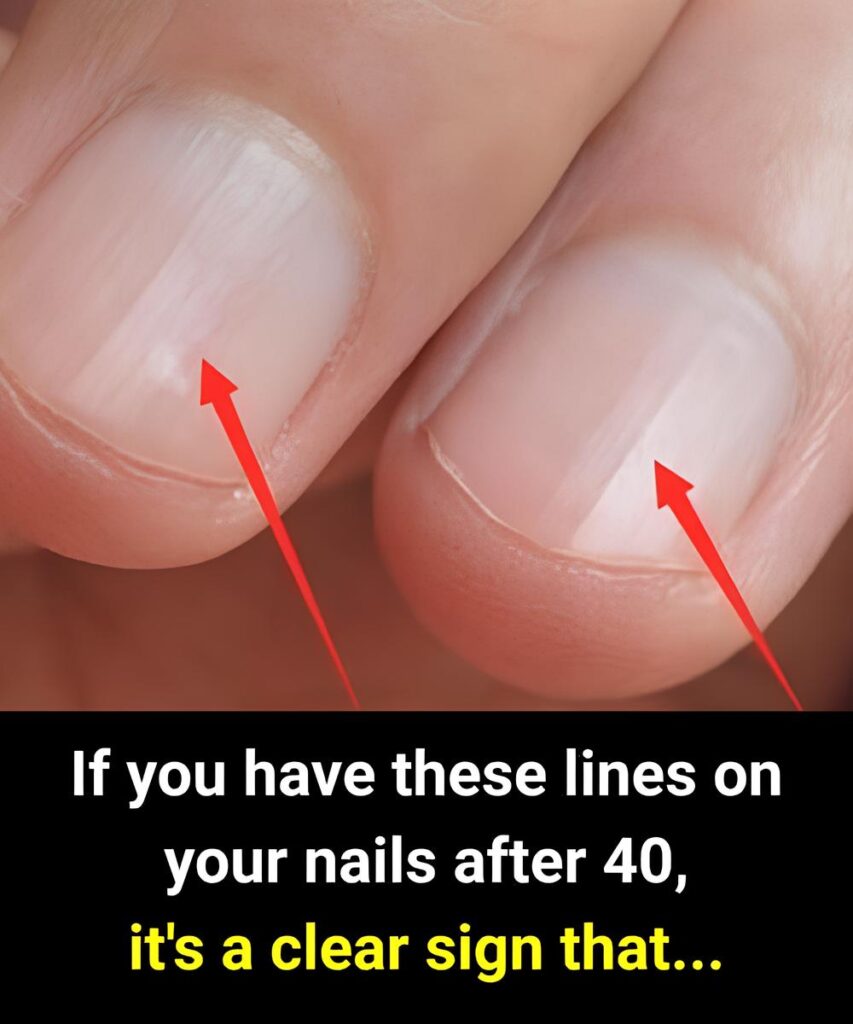
As people age, it is common for nails to become thinner, more brittle, or more likely to develop ridges and splits. After age 40, these changes are often associated with slower cell turnover, hormonal shifts, and reduced nutrient absorption. While nail aging is a normal part of life, diet can play an important role in supporting stronger, healthier nails.
A nutrient-rich eating pattern may help improve nail growth, reduce breakage, and support overall nail appearance over time.
Protein Supports Nail Structure
Nails are made primarily of keratin, a protein that forms the structural foundation of the nail. Because protein synthesis tends to slow with age, getting enough protein becomes increasingly important.
Good sources include eggs, lean poultry, fish, Greek yogurt, beans, and lentils. Including protein at each meal may help support steady nail growth and reduce peeling or splitting.
Biotin May Support Thickness
Biotin, also known as vitamin B7, is involved in keratin production and is often linked with nail strength. Inadequate biotin intake may contribute to brittle nails, particularly in older adults.
Foods rich in biotin include eggs, almonds, walnuts, sweet potatoes, oats, and mushrooms. Regular intake may help nails feel stronger and less prone to breakage.
Iron Helps Prevent Fragility
Iron deficiency becomes more common with age, especially in women, and can affect nail health. Low iron levels may lead to thin, weak, or spoon-shaped nails.
Iron-rich foods include spinach, red meat, lentils, chickpeas, and pumpkin seeds. Pairing these foods with vitamin C sources such as citrus fruits or bell peppers can improve iron absorption.
Omega-3 Fatty Acids Help With Moisture
Dry, brittle nails may be linked to low intake of healthy fats. Omega-3 fatty acids help maintain moisture and flexibility in the nail bed.
Salmon, sardines, chia seeds, flaxseeds, and walnuts are among the best sources. These foods may also support skin and joint health, which makes them especially valuable later in life.
Zinc Aids Growth and Repair
Zinc plays a key role in cell division and tissue repair, both of which are important for nail growth. A zinc deficiency may cause slow-growing nails, white spots, or increased breakage.
Oysters, beef, pumpkin seeds, cashews, and whole grains are good dietary sources. Even a mild deficiency can affect nail quality.
Vitamin C Supports Collagen Production
Vitamin C is essential for collagen formation, which helps maintain the strength of the nail bed and surrounding tissue. Without enough vitamin C, nails may become weaker or more prone to splitting.
Common sources include oranges, strawberries, kiwi, bell peppers, and broccoli. A consistent intake can help support nail structure over time.
Hydration Also Matters
Dehydration can make nails dry and brittle. Since thirst signals may weaken with age, hydration often requires more conscious attention after 40.
Water-rich foods such as cucumbers, watermelon, zucchini, soups, and broths can help support hydration. Combined with adequate fluid intake, they may help maintain nail flexibility.
A Practical Approach
Strong nails after 40 are usually not the result of one “superfood,” but of consistent nutrition over time. A balanced diet rich in protein, healthy fats, vitamins, and minerals can support nail strength, growth, and appearance.
If nail changes appear suddenly, are severe, or occur alongside symptoms such as fatigue or hair loss, it is important to seek medical advice. Nail health can sometimes reflect an underlying nutritional or medical issue.
Healthy nails are more than a cosmetic detail — they can be a small but useful sign of overall wellness.