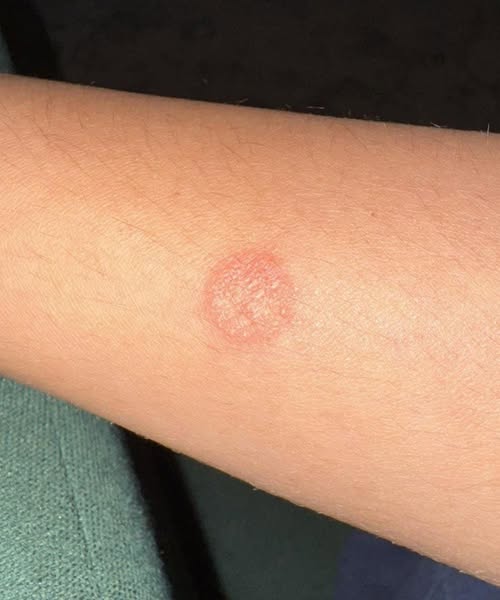

Ringworm may sound alarming, but it’s actually one of the most common fungal skin infections worldwide. Despite its name, it has nothing to do with worms. Ringworm is caused by a fungus that thrives in warm, moist environments. It typically appears as red, circular patches on the skin that may itch, flake, or slowly spread if left untreated.
While ringworm isn’t life-threatening, it can be stubborn and highly contagious—especially in humid climates or homes with pets. The good news is that prevention doesn’t require expensive treatments. Simple daily habits can significantly reduce your risk. Here are five effective ways to protect your skin naturally.
1. Keep Your Skin Clean and Dry
Fungi thrive in moisture. One of the most important preventive steps is keeping your skin clean and thoroughly dry. After bathing, swimming, or sweating, pay special attention to areas where moisture tends to collect, such as between the toes and fingers, under the arms, the groin, and behind the knees.
If you sweat heavily during the day, change into clean, dry clothing as soon as possible. Wearing breathable fabrics like cotton can also help reduce moisture buildup and keep your skin healthier.
2. Wash Clothes, Towels, and Bedding Regularly
Fungal spores can survive on fabrics for several days. To prevent spread and reinfection, wash clothes, towels, and bedsheets frequently—especially after exercise or hot weather.
Whenever possible, dry laundry in direct sunlight, which acts as a natural disinfectant. Avoid sharing personal items like towels, razors, socks, or clothing, even with close family members, as fungi can easily transfer through shared fabrics.
3. Handle Pets with Care

Pets, particularly cats and dogs, can carry ringworm without showing obvious symptoms. Watch for signs such as patches of hair loss or scaly areas on their skin. If you suspect an infection, have your pet examined by a veterinarian promptly.
Always wash your hands after handling animals, and limit close skin contact until they’re fully treated. Keeping your pet’s bedding clean and maintaining regular grooming also helps reduce the risk of transmission.
4. Avoid Using Random Creams or Steroids
A common mistake is treating unexplained rashes with steroid creams. While steroids may temporarily reduce redness or itching, they can weaken the skin’s natural defenses and allow fungal infections to spread more aggressively.
Instead, use proper antifungal treatments when ringworm is suspected, or consult a healthcare professional for an accurate diagnosis. Early treatment with the correct medication leads to faster and more effective recovery.
5. Strengthen Your Skin from the Inside Out

Healthy skin starts with a strong immune system. Eating a balanced diet rich in fruits, vegetables, and probiotics helps your body resist infections. Staying hydrated, exercising regularly, managing stress, and getting enough sleep all play vital roles in maintaining your skin’s natural defenses.
Chronic stress and poor sleep can weaken immunity, making fungal infections more likely to take hold.
Final Thoughts
Preventing ringworm doesn’t require complicated routines—just consistent hygiene, awareness, and care. Keeping your skin clean and dry, avoiding shared personal items, and treating symptoms early can make a big difference.
If you notice persistent, itchy, or ring-shaped patches on your skin, don’t ignore them. Seeking medical advice early can prevent the infection from spreading to other areas or to people around you.